


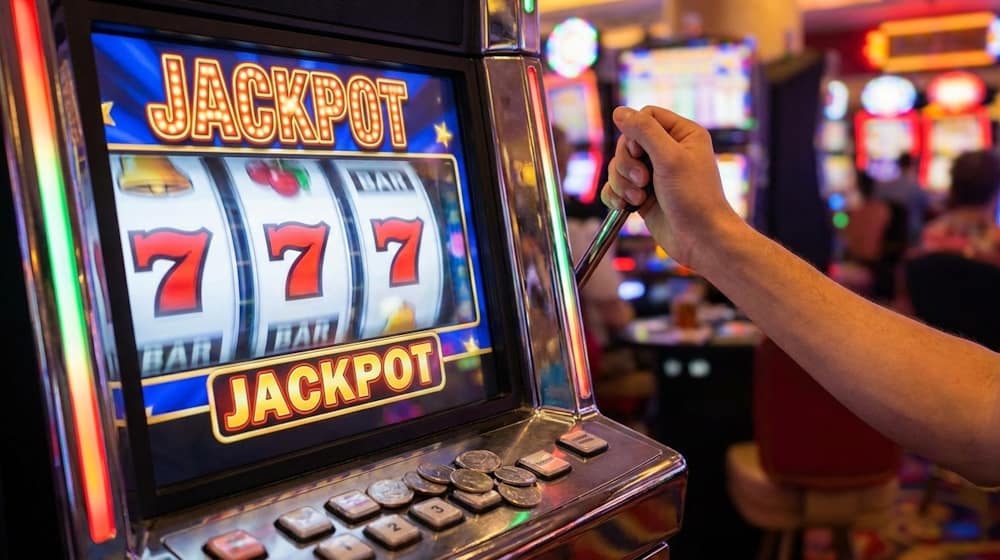
The lights flash. The bells chime. Your heart races as the reels spin, each second stretching with possibility. You promised yourself you’d leave after one hour, but somehow three have passed. You’ve lost more than you intended, yet feel compelled to continue—convinced the next spin might restore your losses and deliver the winning streak that makes everything worthwhile. This cycle repeats across millions of people globally, transformed by casino culture from occasional entertainment into consuming obsession.
Gambling addiction affects an estimated 2-3% of the population, yet remains one of the least discussed behavioral addictions despite rivaling substance abuse disorders in severity and impact. Unlike drug or alcohol dependencies, gambling addiction produces no chemical intoxicant. It’s pure neurological manipulation—the brain’s reward system hijacked by probability, loss chasing, and the carefully engineered architecture of modern casinos designed explicitly to maximize time and money spent.
This article explores how gambling evolved from entertainment to addiction epidemic, examines the psychological mechanisms making casinos so compelling, and reveals practical strategies for recognizing problematic patterns and reclaiming control. You’ll understand the science behind gambling’s grip, learn to identify warning signs in yourself and loved ones, and discover evidence-based approaches supporting recovery from this hidden crisis.
Understanding Gambling Addiction
Gambling disorder represents a behavioral addiction characterized by persistent, recurrent problematic gambling despite negative consequences. It’s not about lacking willpower—it’s about a brain system hijacked by carefully designed environments and activities triggering reward pathways as intensely as any substance.
The Neuroscience of Gambling
The brain’s reward system responds to gambling similarly to substance use. Each near-miss, close call, or winning moment triggers dopamine release—not from actual winning, but from the anticipation and possibility. This is the crucial distinction: your brain gets excited by the potential for reward far more than actual wins, creating powerful reinforcement loops independent of whether you’re losing money overall.
Variable reward schedules prove particularly addictive. Unlike slot machines that paid consistent rewards (boring), modern gambling employs randomized outcomes where you never know when wins will arrive. This unpredictability activates brain reward pathways far more powerfully than predictable rewards, explaining why people remain engaged despite consistent financial losses.
Chasing losses represents a hallmark of gambling addiction. When someone loses, they don’t stop—they continue gambling, convinced the next session will recover losses. This “loss-chasing” behavior emerges from a specific brain pattern where losses feel emotionally unbearable, and continued gambling feels like the only solution despite objectively worsening financial situations.
Vulnerability Factors
Certain individuals face heightened gambling addiction risk:
- Genetic predisposition: Family history of addiction increases vulnerability across all addictive behaviors
- Mental health conditions: Depression, anxiety, ADHD, and bipolar disorder correlate with higher gambling addiction rates
- Impulsivity traits: Difficulty delaying gratification and controlling impulses predicts addiction development
- Social isolation: Loneliness drives casino visits for social connection and escape
- Chronic stress: Gambling provides temporary stress relief, creating dependency for emotional regulation
- Early gambling exposure: Starting young increases addiction risk, with adolescent brains particularly vulnerable
Casino Culture: Engineered for Addiction
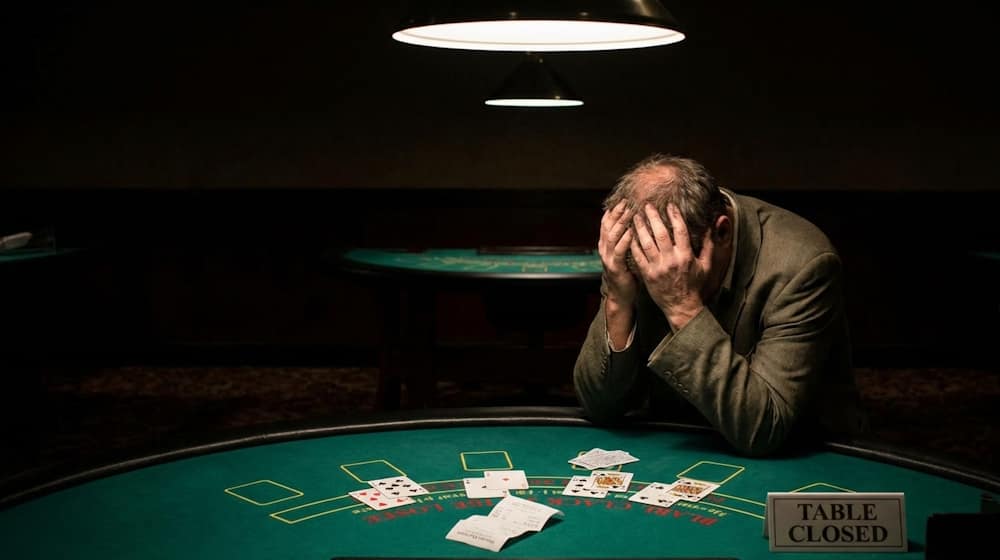
Modern casinos aren’t accidents—they’re meticulously designed environments engineered to maximize gambling engagement and spending. Understanding these tactics clarifies why some people find casinos so difficult to resist.
Environmental Design
Casinos employ sophisticated architectural and sensory manipulation:
- No windows or clocks: Eliminating time awareness prevents natural stopping points
- Strategic lighting: Carefully positioned lights create excitement and mask late hours
- Sound design: Bells, chimes, and celebratory noises for others’ wins trigger anticipatory dopamine responses
- Carpet patterns: Specific designs at floor level maintain attention and encourage continued movement
- Scent engineering: Pleasant aromas keep people comfortable and engaged longer
- Temperature control: Precise cooling prevents fatigue and irritability from affecting play
Game Design Psychology
Near-miss frequency: Slot machines and games display near-wins (two matching symbols with one off) far more frequently than true randomness would predict. These near-misses feel close and activate “almost won” thinking, despite being programmed illusions.
Celebration of others’ wins: Visible celebrations for other players’ winnings—lights, sounds, announcements—create environment where wins feel frequent and achievable, even when statistical likelihood is low.
Complexity and customization: Modern games offer thousands of betting options, themes, and features, making gambling feel like skill-based games rather than pure chance. This illusion of control drives continued engagement.
Progressive jackpots: Jackpot amounts that increase with each play create massive prizes activating fantasies about life transformation. Marketing emphasizes life-changing stories while minimizing odds of actual winning.
Time and Money Manipulation
- Encouragement of extended sessions: No natural stopping points, with time disappearing imperceptibly
- Easy credit access: Machines accepting multiple payment methods and offering credit/loans remove friction from continued play
- Artificial currency: Using chips or digital credits rather than visible cash reduces connection between actions and real money loss
- Loyalty programs: Reward systems offering “free play” and bonuses encourage return visits
Recognizing Gambling Addiction
Early identification enables intervention before addiction devastates finances and relationships. These warning signs indicate gambling has become problematic:
Behavioral Red Flags
- Spending more time or money gambling than intended
- Lying about gambling frequency or losses
- Unsuccessful attempts to cut back or quit
- Neglecting responsibilities, relationships, or work for gambling
- Hiding gambling activity from family and friends
- Borrowing money or lying about finances to fund gambling
- Chasing losses through continued gambling
- Gambling to escape problems or negative emotions
- Relationship conflict centered on gambling behavior
Financial Warning Signs
- Unexplained financial difficulties or missing money
- Sudden interest in loans or credit
- Maxed credit cards or significant debt increase
- Selling possessions to fund gambling
- Missing bills or financial obligations
- Requests to borrow money with vague explanations
- Financial emergencies or crises appearing suddenly
Emotional Indicators
- Irritability, anxiety, or restlessness when unable to gamble
- Excitement or preoccupation thinking about next gambling opportunity
- Using gambling to escape sadness, anxiety, or stress
- Feeling unable to stop despite wanting to
- Shame or guilt about gambling behavior
- Defensiveness when questioned about gambling
The Cascade of Consequences
Gambling addiction radiates effects throughout multiple life domains, affecting not just the gambler but everyone connected to them.
Financial Devastation
Gambling disorders generate severe financial consequences:
- Debt accumulation: Losses compound through borrowing at high interest rates
- Bankruptcy: Many gambling addicts face financial ruin and formal bankruptcy
- Asset loss: Homes, vehicles, and investments liquidated to fund continued gambling
- Employment jeopardy: Job loss from absenteeism, poor performance, or embezzlement to fund gambling
- Fraud and crime: Some resort to theft, embezzlement, or fraud to fund gambling or repay debts
Relationship Destruction
Loved ones experience profound impacts:
- Trust breakdown: Lying about gambling and money destroys relationship foundations
- Financial insecurity: Partners and children face instability from financial chaos
- Emotional abuse: Gambling-addicted individuals often become defensive, controlling, or emotionally absent
- Children’s wellbeing: Young people experience neglect, anxiety, and instability
- Divorce and separation: Relationship dissolution frequently results from gambling addiction

Mental and Physical Health
- Depression and anxiety: Worsen substantially with gambling losses and financial stress
- Suicidal ideation: Financial desperation and shame create suicide risk
- Stress-related illness: Chronic stress manifests in hypertension, ulcers, and weakened immunity
- Sleep disruption: Preoccupation and worry interfere with rest
- Substance use: Many gambling addicts develop alcohol or drug dependencies alongside gambling
Recovery and Treatment
Gambling addiction is treatable, with multiple evidence-based approaches supporting sustained recovery.
Professional Treatment
Cognitive Behavioral Therapy (CBT): Addresses distorted thinking about gambling (illusions of control, overestimating win likelihood) and develops healthier coping strategies. Strong evidence supports CBT’s effectiveness for gambling disorder.
Motivational Interviewing: Works with ambivalence about change, helping individuals resolve internal conflicts and build intrinsic motivation for recovery.
Family therapy: Addresses relationship damage, rebuilds trust, and involves loved ones in recovery support.
Support Groups
Gamblers Anonymous: 12-step peer support program offering free meetings worldwide, similar to AA structure but addressing gambling specifically.
SMART Recovery: Science-based mutual support alternative emphasizing self-empowerment and practical tools.
Gam-Anon: Support group for families of gambling addicts, addressing their unique challenges and recovery needs.
Practical Recovery Strategies
- Environmental restructuring: Avoid casinos and gambling venues; unsubscribe from gambling marketing
- Financial management: Transfer finances to trusted partner or advisor; use spending limits
- Replacement activities: Develop engaging hobbies and social connections not centered on gambling
- Stress management: Implement healthier coping mechanisms for difficult emotions
- Accountability systems: Share recovery goals with supporters who provide regular check-ins
- Medications: While no specific gambling addiction medication exists, treatment for co-occurring depression or anxiety may be helpful
Setting Boundaries
Practical steps creating barriers to gambling:
- Self-exclusion programs preventing entry to casinos and online gambling sites
- Blocking gambling websites and apps on devices
- Removing access to credit and limiting cash availability
- Limiting access to gambling venues through geographic, temporal, or social barriers
- Creating accountability partnerships with regular check-ins
Prevention and Protective Factors
Building resilience against gambling addiction requires understanding protective factors and risk reduction strategies.
Individual Protective Factors
- Strong sense of purpose and meaning beyond entertainment
- Diverse coping skills for stress management
- Healthy relationships providing support and accountability
- Financial literacy and responsibility
- Understanding of gambling odds and probability
- Mental health stability and emotional regulation skills
Family and Community Approaches
- Early education about gambling risks, particularly for youth
- Open communication about gambling within families
- Support for mental health and stress management
- Community resources and treatment access
- Regulation of gambling marketing, particularly aimed at vulnerable populations
- Public awareness campaigns reducing stigma and increasing help-seeking
The Path Forward: Recovery is Possible
Gambling addiction represents a genuine public health concern yet remains less recognized and resourced than substance addictions despite comparable severity. Recovery requires acknowledging the problem, understanding it reflects brain system vulnerability rather than personal weakness, and accessing appropriate support.
Millions worldwide struggle with gambling addiction, yet treatment effectiveness remains strong for those who seek help. Recovery means rebuilding financial stability, healing damaged relationships, and developing life satisfaction independent of gambling’s false promises. It’s entirely achievable with proper support and commitment.
Do you struggle with gambling or worry about someone who does? Share your questions or experiences in the comments below—your insights help others recognize they’re not alone. If this article resonated with you, please share it with your network. For confidential support with gambling addiction, contact gambling helplines or support organizations in your region—help is available and recovery is possible.

