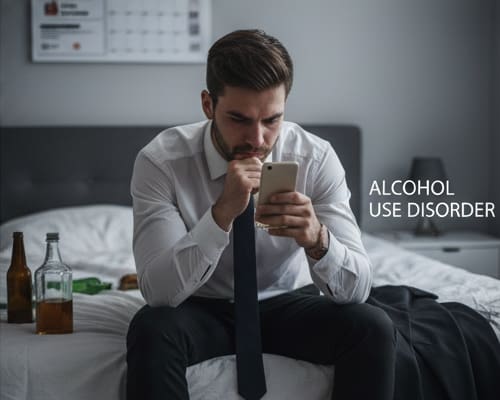
The networking event flows with wine and conversation. The team celebrates another late-night deadline with craft beers. Friday happy hour transitions seamlessly into weekend brunches with bottomless mimosas. For many young professionals navigating demanding careers in competitive cities, alcohol weaves so thoroughly into work culture that abstaining feels career-limiting. What begins as social lubrication gradually transforms into dependency, hidden behind sophisticated cocktails and professional accomplishment.
This demographic—ambitious individuals aged 25-40 climbing corporate ladders, launching startups, or establishing practices—faces alarmingly high rates of alcohol use disorder. Recent studies indicate that 1 in 8 young professionals meets clinical criteria for alcohol dependence, yet fewer than 10% seek treatment. The crisis remains invisible precisely because it affects high-functioning individuals whose external success masks internal struggle, and because workplace cultures actively encourage the very behaviors driving addiction.
This article examines why young professionals prove particularly vulnerable to alcohol dependency, how career environments enable and normalize problematic drinking, and what evidence-based approaches work for this population. You’ll learn to recognize high-functioning alcoholism’s subtle signs, understand the unique barriers preventing young professionals from seeking help, and discover recovery strategies compatible with maintaining careers. Whether you’re questioning your own relationship with alcohol or concerned about colleagues, you’ll gain essential insights into this overlooked epidemic.
The Young Professional Alcohol Crisis
Alcohol use disorder (AUD) among educated, career-focused individuals challenges stereotypes about addiction. These aren’t people who’ve “hit bottom” in traditional senses—they hold advanced degrees, earn substantial salaries, and maintain impressive résumés even as dependency tightens its grip.
Defining the Population
Young professionals represent a diverse but identifiable demographic:
- Ages 25-40 with college or advanced degrees
- Working in demanding, competitive industries (finance, law, tech, healthcare, consulting, media)
- Urban or suburban residents in major metropolitan areas
- Career-focused with high achievement orientation
- Often delaying marriage and parenthood while prioritizing professional advancement
- Earning above-median incomes with disposable income for regular alcohol purchases
Prevalence and Trends
Current data reveals troubling patterns:
- Binge drinking (4+ drinks for women, 5+ for men in one sitting) occurs weekly or more frequently for 32% of young professionals
- 25% report drinking to cope with work stress at least weekly
- Alcohol consumption increased 41% among professional workers aged 30-39 between 2019 and 2024
- Women in professional roles show faster acceleration in problematic drinking than any other demographic
- Remote work correlates with 27% increase in daytime drinking among professionals
- High-earning professionals (100k+ annually) show alcohol dependency rates triple those of lower-income workers
These statistics likely underrepresent true prevalence due to underreporting and denial typical in high-functioning populations.
Why Young Professionals Are Vulnerable
Understanding this crisis requires examining how professional environments, psychological factors, and life stage pressures converge to create perfect conditions for alcohol dependency development.
Workplace Culture and Expectations
Professional environments actively promote alcohol consumption through multiple mechanisms:
Networking and client entertainment: Business development often centers on bars and restaurants where ordering alcohol signals professionalism and social competence. Abstaining can feel awkward or career-limiting when deals close over drinks and relationships form at happy hours.
After-hours work culture: Many industries expect availability beyond traditional hours, with evening events, client dinners, and informal networking blurring work-life boundaries. Alcohol lubricates these extended workdays while providing justification for consumption.
Celebration and commiseration: Teams bond over drinks after successful projects or stressful periods. Alcohol becomes the default reward for achievement and comfort during challenges.
Stress normalization: Demanding workplaces cultivate cultures where stress is badge of honor and drinking is accepted coping mechanism. “Wine o’clock” jokes mask genuine dependency.
Remote work isolation: Work-from-home arrangements eliminate natural boundaries, enabling daytime drinking without observation while increasing isolation that alcohol temporarily relieves.
The Stress-Performance Paradox
Young professionals face sustained high-pressure environments creating conditions ripe for alcohol dependency:
- Chronic stress: Constant deadlines, performance reviews, and competitive pressure generate persistent cortisol elevation that alcohol temporarily reduces
- Imposter syndrome: Feeling inadequate despite accomplishments drives anxiety that drinking soothes
- Sleep deprivation: Long hours interfere with sleep, creating fatigue that alcohol seems to address through sedation (while actually worsening sleep quality)
- Perfectionism: High standards and fear of failure generate tension that alcohol releases
- Limited recovery time: Insufficient breaks between stressful periods prevent natural stress processing
Life Stage Vulnerabilities
The 25-40 age range presents unique psychological and social factors:
Identity formation: Career becomes central to identity during these years. When professional identity dominates, alcohol consumption integrated into work life feels identity-consistent rather than problematic.
Delayed life transitions: Later marriage and parenthood mean fewer traditional protective factors against excessive drinking. Partners and children create natural boundaries and accountability often absent for young professionals.
Financial resources: Higher incomes enable regular drinking at expensive venues, purchasing premium alcohol, and avoiding financial consequences that might otherwise signal problems.
Social circles: Friend groups centered on similar professionals normalize heavy drinking as shared lifestyle rather than concerning pattern.
Invincibility beliefs: Youth and health create illusion of immunity to addiction, with consequences seeming distant and abstract.
Psychological Factors
Certain personality traits common among successful professionals ironically increase addiction vulnerability:
- Achievement orientation: Drivenness that fuels career success can manifest as inability to relax without chemical assistance
- Type A personality: Competitive, time-urgent individuals face elevated stress requiring management
- Risk-taking tendencies: Entrepreneurial traits correlating with business success also predict substance use
- Emotional suppression: Professional environments often discourage emotional expression, with alcohol providing outlet
- Control needs: Paradoxically, desire for control can drive alcohol use as method for managing internal states
High-Functioning Alcoholism: The Invisible Addiction
Young professionals often develop what clinicians term “high-functioning alcoholism”—maintaining outward success while meeting criteria for alcohol use disorder. This subtype proves particularly insidious because professional achievement masks dependency, delaying recognition and intervention.
Characteristics of High-Functioning AUD
- Professional competence maintained despite problematic drinking
- Responsibilities generally met (though often with hidden struggle)
- Social and family relationships preserved, at least superficially
- No legal consequences (DUIs, public intoxication) that force confrontation
- Absence of obvious deterioration in appearance or hygiene
- Ability to abstain temporarily when necessary (business trips, family events)
- Internal recognition that drinking is problematic despite external functionality
The Dangerous Denial
High-functioning status enables powerful denial mechanisms:
“I can’t be an alcoholic—I’m successful”: Career achievement becomes evidence against addiction rather than context where dependency developed.
“I only drink quality alcohol”: Premium wine and craft cocktails feel categorically different from “problem drinking” despite identical impacts.
“Everyone in my industry drinks like this”: Normalization within professional circles makes individual pattern seem unremarkable.
“I have control—I could stop anytime”: Ability to abstain occasionally masks overall loss of control over when and how much drinking occurs.
“I don’t drink in the morning”: Arbitrary rules about “real alcoholism” provide false reassurance despite meeting clinical criteria.
Warning Signs Specific to Professionals
Recognize these patterns indicating drinking has become problematic:
- Needing alcohol to relax after work has become non-negotiable routine
- Drinking alone regularly, especially to manage stress or emotions
- Preoccupation with next drinking opportunity during work hours
- Anxiety when situations might not include alcohol
- Memory lapses or blackouts from drinking
- Hiding alcohol consumption from colleagues, family, or friends
- Morning drinking or drinking before work events
- Physical tolerance requiring more alcohol for same effects
- Failed attempts to cut back or impose rules that are quickly abandoned
- Continued drinking despite negative consequences (hangovers affecting work, relationship tension, health problems)
Gender Differences in Professional Drinking
While alcohol dependency affects young professionals across genders, important distinctions exist in patterns, progression, and consequences.
Women’s Accelerating Rates
Recent decades show dramatic increases in alcohol use disorder among professional women:
- Gender gap in heavy drinking narrowed 30% between 2015-2025
- Professional women show faster progression from first drink to dependency than men
- “Mommy wine culture” and “rosé all day” rhetoric normalizes problematic drinking
- Women metabolize alcohol differently, experiencing greater health consequences at lower consumption levels
- Hormonal factors increase vulnerability to alcohol’s effects
Unique Pressures for Women
Professional women face distinct factors driving alcohol use:
Gender discrimination stress: Navigating male-dominated industries and persistent sexism creates unique stressors that alcohol temporarily relieves.
Perfectionism pressure: Expectations to excel professionally while maintaining personal appearance and potentially managing household responsibilities generate unsustainable stress.
Imposter syndrome: Research shows higher rates among women in professional settings, with alcohol providing temporary confidence boost.
Marketing targeting: Wine industry specifically markets to professional women, framing drinking as deserved self-care and bonding ritual.
Men’s Hidden Struggles
While women’s increasing rates draw attention, men’s alcohol dependency often remains invisible:
- Traditional masculine norms discourage help-seeking and emotional expression
- Professional drinking blends with sports culture and male bonding rituals
- Higher baseline consumption levels mean dependency develops more gradually
- Career identity particularly central to masculine identity, making acknowledgment threatening
Health Consequences: Beyond the Hangover
Regular heavy drinking exacts significant health tolls, often accumulating silently before becoming apparent. Young professionals’ relative youth and health can mask developing problems until substantial damage occurs.
Physical Health Impacts
Liver damage: Fatty liver disease can develop within months of heavy drinking, progressing to more serious conditions if continued. Many young professionals develop early liver disease in their 30s.
Cardiovascular problems: Regular excessive drinking increases blood pressure, irregular heartbeat, and stroke risk even in young, otherwise healthy individuals.
Cancer risk: Alcohol is classified carcinogen, with even moderate consumption increasing risk for breast, liver, colorectal, and other cancers.
Immune suppression: Regular heavy drinking weakens immune response, increasing susceptibility to infections and slowing recovery.
Nutritional deficiencies: Alcohol interferes with nutrient absorption, particularly B vitamins, leading to various deficiency-related problems.
Neurological damage: Brain imaging shows structural changes in young adult heavy drinkers, affecting memory, decision-making, and emotional regulation.
Mental Health Interactions
Alcohol and mental health conditions interact bidirectionally:
- Depression and anxiety initially seem improved by drinking but worsen substantially with regular use
- Alcohol disrupts neurotransmitter balance, creating or exacerbating mood disorders
- Sleep disruption from drinking contributes to mental health deterioration
- Hangover anxiety (“hangxiety”) creates cycles of drinking to relieve symptoms caused by previous drinking
- Professional performance suffers, generating legitimate anxiety that drives further drinking
Performance Decline
Even high-functioning individuals experience subtle performance erosion:
- Cognitive impairment affecting complex problem-solving and creativity
- Memory problems interfering with information retention and recall
- Reduced concentration and sustained attention
- Poor judgment and decision-making when hungover or mildly intoxicated
- Decreased emotional intelligence and interpersonal effectiveness
Barriers to Seeking Help
Young professionals face unique obstacles preventing them from addressing alcohol dependency, even when recognizing problems.
Career Concerns
Stigma and discrimination: Despite legal protections, substance use disclosure can damage careers through subtle discrimination, derailed promotions, or informal reputation damage.
Privacy fears: Confidentiality concerns in industries where everyone knows everyone create reluctance to seek treatment locally.
Time constraints: Demanding schedules make attending therapy or support groups logistically difficult, with fear that absences will raise questions.
Professional licensing: Lawyers, doctors, and other licensed professionals worry about mandatory reporting requirements and licensing board involvement.
Identity Threats
Acknowledging alcohol dependency challenges core aspects of professional identity:
- Admitting loss of control contradicts self-image as disciplined, capable individual
- “Alcoholic” label conflicts with professional identity and social status
- Success becomes evidence against rather than context for addiction
- Seeking help feels like admitting failure or weakness
Practical Obstacles
- High costs of quality treatment and uncertainty about insurance coverage
- Lack of awareness about recovery options compatible with professional obligations
- Limited access to specialized treatment providers understanding professional populations
- Geographic distance from quality treatment centers
- Responsibilities that feel impossible to pause (major projects, client obligations, team dependencies)
Social Factors
- Friend groups centered on drinking create resistance to change
- Romantic partners who also drink heavily
- Industry networking requiring alcohol-centered events
- Cultural expectations around celebration and stress management
Recovery Strategies for Young Professionals
Addressing alcohol dependency requires approaches acknowledging professional realities while prioritizing health. Successful recovery balances treatment needs with career maintenance.

Assessment and Acknowledgment
Self-assessment tools: The AUDIT (Alcohol Use Disorders Identification Test) provides validated screening. Scores above 8 indicate problematic use warranting professional evaluation.
Professional evaluation: Addiction medicine specialists or addiction-focused therapists provide confidential assessment and treatment planning tailored to professional populations.
Honest inventory: Document actual consumption (tracking apps help), consequences experienced, and failed control attempts. Written evidence counteracts denial.
Treatment Modalities
Outpatient therapy: Individual therapy with addiction specialists allows continuing work while receiving treatment. CBT and motivational interviewing show strong evidence for alcohol use disorder.
Intensive outpatient programs (IOP): Structured programs meeting several times weekly provide substantial support while allowing work continuation. Many offer evening sessions accommodating professional schedules.
Executive rehabilitation: Specialized residential programs cater specifically to professionals, offering privacy, business amenities, and peer groups from similar backgrounds. Duration ranges from 30-90 days.
Medication-assisted treatment: FDA-approved medications support recovery:
- Naltrexone reduces alcohol’s rewarding effects and cravings
- Acamprosate eases withdrawal and protects against relapse
- Disulfiram causes unpleasant reactions to alcohol, deterring drinking
Telehealth options: Online therapy and support groups provide flexibility and privacy, particularly valuable for busy professionals or those in small industries.
Support Systems
Professional support groups: Lawyers Helping Lawyers, International Doctors in AA, and similar profession-specific groups provide understanding peers who grasp unique challenges.
Traditional 12-step programs: Alcoholics Anonymous offers free, widely available support. Many urban areas have young professional or career-focused meetings.
SMART Recovery: Science-based alternative to 12-step programs appealing to analytically-minded professionals.
Individual sponsors or recovery coaches: One-on-one support from someone who understands both addiction and professional life.
Workplace Strategies
Selective disclosure: Carefully choose whom to tell based on trust and need-to-know. HR departments must maintain confidentiality, but discretion remains important.
FMLA protection: Family and Medical Leave Act provides job-protected leave for substance use disorder treatment in qualifying organizations.
Employee Assistance Programs (EAPs): Confidential workplace resources offering assessment, counseling, and treatment referrals.
Boundary setting: Decline alcohol-centered events when necessary, suggest alternative venues, or attend briefly without drinking.
Networking adaptation: Develop strategies for professional events—arrive with plan, order mocktails, have exit strategy, bring accountability partner.
Lifestyle Reconstruction
Recovery requires building life supporting sobriety rather than undermining it:
Stress management alternatives: Replace alcohol with evidence-based stress reduction—exercise, meditation, therapy, creative outlets, nature exposure.
Sleep hygiene: Prioritize quality sleep through consistent schedules, screen limits, and bedroom environment optimization.
Social circle evaluation: Assess which relationships support recovery versus sabotage it. Cultivate friendships with sober or moderate-drinking individuals.
Hobby development: Invest time freed from drinking into activities providing genuine fulfillment and identity beyond career.
Routine establishment: Structure days to minimize decision fatigue and vulnerability periods. Plan evening activities preventing automatic drinking.
Accountability mechanisms: Use apps, tracking systems, or check-ins with supporters maintaining awareness and commitment.
Maintaining Sobriety in Drinking Culture
Long-term recovery requires navigating environments designed around alcohol without compromising sobriety or career.
Professional Event Strategies
- Arrive with clear plan including time limit and exit strategy
- Order sophisticated non-alcoholic beverages first to establish pattern
- Position yourself away from bar area to reduce exposure
- Practice responses to “Why aren’t you drinking?” that feel comfortable and honest
- Bring accountability partner when possible
- Leave when environments become uncomfortable rather than staying and struggling
Reframing Career Success
Recovery offers opportunity to reconsider what success means:
- Is career advancement worth health and wellbeing sacrifice?
- Can you excel professionally while maintaining better boundaries?
- Does current work environment support or undermine recovery?
- What values beyond achievement deserve attention?
- How can professional skills serve recovery rather than feeding addiction?
Career Transition Considerations
Some professionals recognize that recovery requires changing work environments:
- Switching to companies with healthier cultures
- Transitioning to industries less centered on drinking
- Pursuing entrepreneurship allowing greater control over schedule and environment
- Accepting that some career paths genuinely incompatible with sobriety
- Prioritizing recovery over advancement when necessary
Building Sober Community
Connecting with others in recovery provides essential support:
- Attend young professional recovery meetings
- Join online communities for professionals in recovery
- Participate in sober social events and activities
- Consider recovery housing or sober living situations if needed
- Develop friendships with people who don’t drink or drink minimally
Prevention and Early Intervention
Addressing this crisis requires both supporting those currently struggling and preventing new cases from developing.
Individual Awareness
Self-monitor alcohol use before problems develop:
- Track consumption honestly, including home drinking often minimized
- Notice patterns around stress, emotions, or social situations
- Take regular breaks proving you can comfortably abstain
- Assess whether drinking serves purposes beyond enjoyment
- Recognize early warning signs like increased tolerance or failed control attempts
Organizational Responsibility
Employers can reduce alcohol-related harm through culture and policy changes:
- Offer professional events without alcohol or make alcohol one option among many
- Avoid pressuring employees to drink or making abstainers uncomfortable
- Provide robust EAP resources and communicate confidentiality clearly
- Train managers to recognize signs of problematic substance use and respond compassionately
- Create cultures valuing work-life balance and stress management
- Address systemic issues (overwork, toxic management) driving self-medication
Industry-Wide Shifts
Professional organizations and industries bear collective responsibility:
- Legal and medical associations providing addiction resources specifically for members
- Bar associations and medical boards balancing accountability with support for recovery
- Professional conferences offering alcohol-free networking options
- Mentorship programs addressing alcohol culture explicitly
- Research funding examining substance use in specific professional populations
Stories of Recovery: Breaking the Silence
Young professionals successfully recovering from alcohol dependency often report that acknowledging the problem and seeking help represented their greatest career and life achievement—more significant than any professional accomplishment attained while drinking.
Many describe recovery improving rather than harming careers. Sobriety enhanced focus, judgment, and energy. Anxiety and depression improved dramatically. Relationships deepened. Previously unrecognized cognitive impairment lifted, revealing how much alcohol had compromised performance even while functioning appeared adequate.
The professional skills that enabled career success—discipline, problem-solving, goal-setting, persistence—proved equally valuable in recovery when redirected toward sobriety. The analytical abilities making someone a successful lawyer, consultant, or engineer applied powerfully to understanding addiction and implementing recovery strategies.
Recovery communities include countless professionals thriving in demanding careers while maintaining long-term sobriety. Sobriety doesn’t mean career limitation—often it unlocks potential that alcohol suppressed.
Moving Forward: From Crisis to Recovery
Alcohol dependency among young professionals represents a crisis hiding in plain sight, normalized by workplace cultures and masked by external success. Recognition requires looking beyond stereotypes about who develops addiction and what addiction looks like. The person in the next office, the colleague closing major deals, the friend posting professional achievements—any of them might be struggling silently.
If you recognize yourself in this article, understand that alcohol dependency is medical condition, not moral failing or weakness. The same drive and capability that built your career can support recovery. Help is available, confidential, and increasingly tailored to professional populations. The question isn’t whether you can afford to address this—it’s whether you can afford not to.
Recovery offers something alcohol never can—genuine peace, authentic connection, sustainable success, and the freedom that comes from living consciously rather than escaping. Your career will survive addressing this. You might not if you don’t.
Are you or someone you know navigating alcohol dependency while maintaining professional responsibilities? Share your thoughts, experiences, or questions in the comments below. If this article resonated with you, please share it—someone in your network might need exactly this information today. Recovery begins with conversation, and your story might give someone else courage to seek help.