


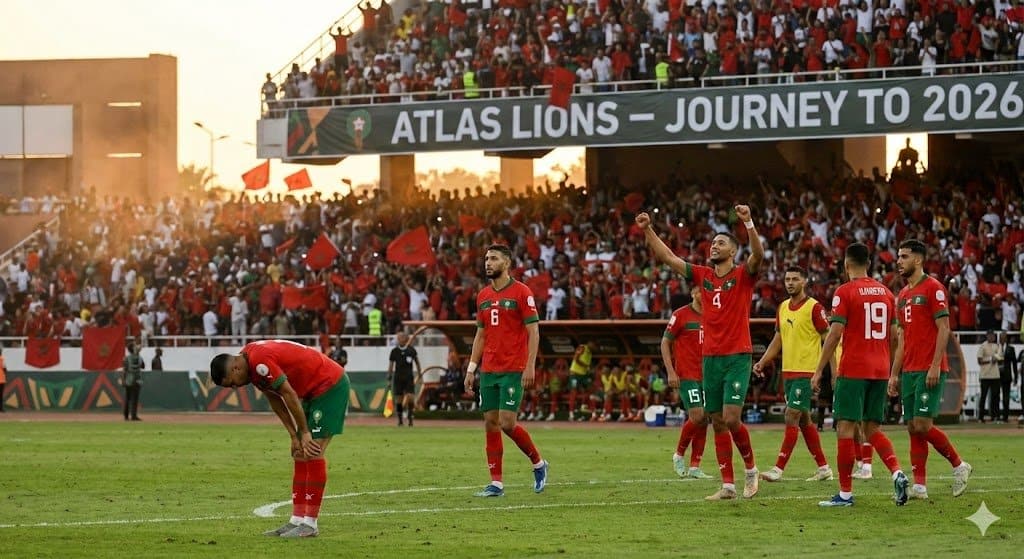
The air in an African stadium during the Cup of Nations (CAN) isn’t just humid; it is heavy with history, vibrating with a cacophony of sound that feels seismic. For the uninitiated observer tuning in from the comfortable suburbs of Toronto, the bustling streets of Mexico City, or the sports bars of Chicago, African football can look chaotic. But look closer, and you will see a brutal ballet of passion—a tournament where reputation means nothing and grit means everything.
For Morocco, the Atlas Lions, the CAN is more than a tournament; it is a crucible.
Coming off their historic, dizzying run to the semi-finals of the 2022 World Cup, Moroccan football changed forever. They were no longer just talented underdogs; they were the pride of the Arab world and the standard-bearers for Africa. But the continent has a way of humbling giants. The African Cup of Nations is vastly different from the polished greens of Europe. The pitches are heavier, the tackles harder, and the pressure—especially when hosting, as Morocco recently did—is suffocating.
To understand the team destined for North American soil in 2026, you must understand the fire in which they were forged.
The Weight of the Atlas
The narrative of the Atlas Lions in the CAN has always oscillated between breathtaking artistry and agonizing heartbreak. They are a team capable of painting masterpieces on the pitch, led by global stars whose names adorn jerseys from Paris to Madrid. Yet, the CAN demands a different kind of masterpiece—one painted in sweat and survival.
In recent tournaments, we have witnessed the cinematic highs of Atlas Lions victories. We’ve seen the red flare smoke swirling over Casablanca as Achraf Hakimi rifles in a free-kick that defies physics, a moment of pure, unadulterated glory that unites a nation from Tangier to Lagouira. These are the moments where the technical brilliance of the Moroccan academy system shines, slicing through defenses with European precision.
But the true texture of African soccer stories lies in the setbacks.
The trials are visceral. They are found in the matches played in sweltering heat against defensively disciplined opponents who refuse to be awed by Morocco’s World Cup pedigree. We have seen the Lions dominate possession for 90 minutes, only to be undone by a single counter-attack on a bobbling pitch. We have seen the tears of gladiators like Hakim Ziyech, heads bowed after a penalty shootout lottery gone wrong—a recurring nightmare that haunts the North African giants.
This heartbreak is essential to their identity. It is the shadow that makes the light shine brighter. The CAN doesn’t just test skill; it tests their stomach for the fight.
Forged in Fire, Ready for the World
Why does this matter to a fan in Seattle or Guadalajara awaiting the 2026 World Cup?
Because the team that arrives in North America will not just be the polished squad that surprised the world in Qatar. They will be a team hardened by the unique rigors of their own continent.
The resilience forged in the fires of the CAN is the defining characteristic of this generation of Moroccan football. Every stunning upset and every grueling draw in the heart of Africa has added layers of armor to the Atlas Lions. They have learned that talent is only the entry ticket; grit is what wins the prize.
The setbacks in Africa are not failures; they are fuel. The agonizing near-misses have created a hunger that cannot be sated by club trophies in Europe. As the focus shifts toward the CAN 2026 cycle and ultimately the global stage in North America, Morocco carries both the scars of their trials and the confidence of their triumphs.
When they take the field in the vast stadiums of the US, Mexico, and Canada, they bring with them the roar of a continent that never stops believing. They are polished, yes, but underneath the surface beats a heart tested by the toughest football environment on earth.
From Africa’s Roar to North America’s Dream: The Atlas Lions’ Journey to 2026.

